In the world of digital marketing, SEO is crucial for driving traffic to websites. Knowing how your SEO efforts will impact your site’s performance is essential for planning and growth. This brings us to an important question: How to forecast SEO growth?
To forecast SEO growth, use current and historical data. Analyze website traffic, keyword rankings, and conversion rates. Use tools like Google Analytics, set clear goals and track progress. Adjust your strategy based on data and trends. This helps predict future performance and improve your SEO efforts.
In this guide, we’ll explore how to forecast SEO growth. We’ll discuss how to analyze current performance, set SEO goals, use SEO tools and create a forecast model.
Key Takeaways
- Use Data: Use current and historical data to predict future SEO performance.
- Analyze Metrics: Analyze traffic, keyword rankings, and conversion rates regularly.
- Adjust Strategy: Adjust your strategy based on data trends and set clear goals.
Importance Of SEO Forecasting

SEO forecasting helps predict future website traffic. It shows how SEO efforts will impact your site. By forecasting, you can plan better and set clear goals. It helps in budgeting and tracking progress. This way, you can compare forecasted results with actual results and improve your strategies.
Here’s why SEO forecasting is important:
- Predict Future Website Traffic: SEO forecasting allows you to estimate the number of visitors your website will attract in the future.
- Set Clear SEO Goals: With forecasting, you can define specific targets for your SEO efforts to achieve.
- Plan Your Budget: It helps you allocate the right amount of money to different SEO activities.
- Track Progress: You can monitor your website’s performance against the forecasted results.
- Improve Strategies: By comparing forecasted and actual results, you can refine your SEO tactics.
Analyzing Current Performance
Analyzing your current SEO performance is very important. It helps you understand what is working and what is not. This step involves looking at different data points. You need to check your website’s performance in detail. This includes reviewing your analytics data, identifying key metrics, assessing traffic sources, and monitoring keyword rankings.
Reviewing Analytics Data
Review your website’s analytics data regularly. Look at the number of visitors you get each day. Check which pages are the most popular. See how long visitors stay on your site. Notice if they quickly leave or spend time reading.
Find out which pages they visit most often. This information helps you understand your website’s strengths and weaknesses. Use this data to make better decisions about your content.
Identifying Key Metrics
Identify key metrics that are important for your website. These metrics include the number of visitors, bounce rate, and conversion rate. The bounce rate shows how many visitors leave after viewing only one page.
The conversion rate shows how many visitors take action, like making a purchase. Track these metrics regularly to see if your SEO efforts are working. Use these metrics to measure your progress and success.
Assessing Traffic Sources
Assess where your website traffic is coming from. Check if visitors are coming from search engines like Google, social media sites like Facebook, or direct visits by typing your website address.
This helps you understand which channels are driving the most traffic. Focus more on the channels that bring in more visitors. When one source is not performing well, consider changing your strategy for that channel.
Monitoring Keyword Rankings
Monitor your keyword rankings regularly. Check where your website ranks for important keywords. Use tools to track your keyword positions. This helps you see if your SEO efforts are improving your rankings.
When your rankings are not improving, adjust your strategy. Look for new keywords to target. Make sure your content is optimized for the keywords you want to rank for. This will help you attract more visitors to your website.
Setting SEO Goals
Setting SEO goals is very important. It helps you know what you want to achieve with your SEO efforts. Clear goals guide your actions and help you measure success. You need to define clear objectives, understand short-term vs. long-term goals, and align these goals with your business needs.
Defining Clear Objectives
Define clear objectives for your SEO efforts. Objectives should be specific and measurable. For example, you might want to increase website traffic by 20% in six months.
Another objective could be to rank in the top 10 for a specific keyword. Clear objectives give you a target to aim for. They help you focus your SEO efforts on what matters most.
Short-Term Vs Long-Term Goals
Understand the difference between short-term and long-term goals. Short-term goals are things you want to achieve soon. For example, increasing traffic by 5% in the next three months.
Long-term goals are things you want to achieve over a longer period. For example, becoming the top site in your niche in two years. Both types of goals are important. They help you track progress and stay motivated.
Aligning Goals With Business Needs
Align your SEO goals with your business needs. Your goals should support your overall business objectives. For example, if your business goal is to increase sales, your SEO goal may be to drive more traffic to your product pages.
Make sure your SEO efforts help your business grow.
This alignment ensures that your SEO work is not just about rankings, but also about achieving real business results.
Identifying Key Metrics
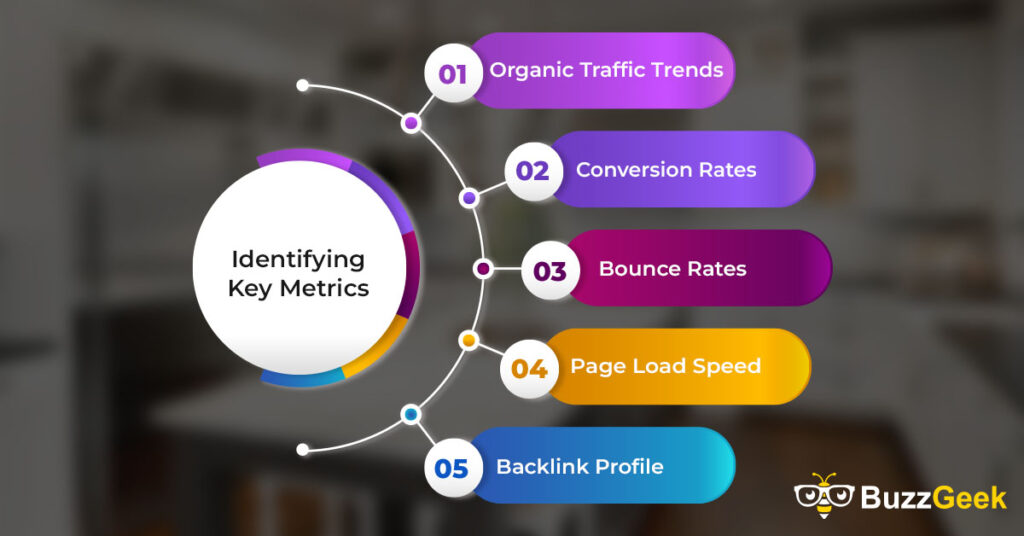
Identifying key metrics is crucial for measuring SEO success. These metrics help you understand how well your SEO efforts are working. By tracking these metrics, you can make better decisions and improve your SEO strategy.
Organic Traffic Trends
Track organic traffic trends to see how many visitors come from search engines. Look at the number of visitors each day, week, and month. Notice if the numbers are going up or down.
Increasing organic traffic means your SEO efforts are working. Use tools like Google Analytics to track this data. This helps you understand how your website is performing in search results.
Conversion Rates
Measure conversion rates to see how many visitors take action on your site. Actions can include making a purchase, signing up for a newsletter, or filling out a form. A higher conversion rate means more visitors are doing what you want them to do.
This is a key sign that your SEO is effective. Track conversions using tools like Google Analytics. This helps you see if your traffic is turning into real results.
Bounce Rates
Monitor bounce rates to see how many visitors leave your site after viewing only one page. A high bounce rate means visitors are not finding what they are looking for. This can indicate problems with your content or site design.
Lowering your bounce rate means more visitors are staying and exploring your site. Use tools like Google Analytics to track bounce rates. This helps you improve user experience and keep visitors engaged.
Page Load Speed
Check page load speed to see how quickly your website loads. Faster loading pages provide a better user experience. Slow pages can drive visitors away. Page load speed also affects your search engine rankings.
Use tools like Google PageSpeed Insights to measure this. Improving your page load speed can help increase traffic and keep visitors on your site longer.
Backlink Profile
Analyze your backlink profile to see how many other sites link to yours. More backlinks can improve your search engine rankings. High-quality backlinks are better than many low-quality ones.
Use tools like Ahrefs or Moz to check your backlinks. This helps you understand your site’s authority and influence. Building a strong backlink profile is important for SEO success.
Competitive Analysis
Competitive analysis is an important part of SEO. It helps you understand what your competitors are doing. This knowledge can help you improve your own SEO strategy. The process includes identifying top competitors, analyzing their strategies, benchmarking against them, and learning from their successes.
Identifying Top Competitors
Identify your top competitors in your industry. These are the websites that rank high for your target keywords. Use tools like Google Search to see which sites appear in search results.
Make a list of these competitors. Knowing who your competitors are is the first step in analyzing their strategies.
Analyzing Competitors’ Strategies
Analyze your competitors’ SEO strategies. Look at the keywords they are targeting. Check the content on their websites. See how often they update their content. Notice if they have a lot of backlinks.
Use tools like Ahrefs or SEMrush to gather this information. Understanding their strategies helps you see what is working for them.
Benchmarking Against Competitors
Benchmark your website against your competitors. Compare your site’s performance with theirs. Look at metrics like traffic, rankings, and backlinks. Use tools like Google Analytics and Moz for this comparison.
Benchmarking helps you see where you stand and what areas you need to improve. It gives you a clear picture of your competitive position.
Learning From Competitor Success
Learn from your competitors’ successes. See what they are doing right and try to apply similar tactics to your own site. When a competitor has a successful blog, consider starting your own blog.
When they have many backlinks, work on building your own. Learning from their success can help you improve your own SEO. It helps you stay competitive and grow your website’s visibility.
Utilizing SEO Tools
Utilizing SEO tools is crucial for effective SEO management. These tools help you track performance, find issues, and plan your strategy. Important tools include Google Analytics, Google Search Console, SEO forecasting tools, and keyword research tools. Each tool has specific features that aid in improving your website’s SEO.
Google Analytics
Google Analytics helps you track your website’s traffic. It shows how many visitors come to your site and where they come from. You can see which pages are the most popular. It also shows how long visitors stay on your site.
The information from Google Analytics helps you understand your audience. Use Google Analytics to monitor your website’s performance and make informed decisions.
Google Search Console
Google Search Console helps you monitor your website’s presence in Google search results. It shows which keywords bring visitors to your site. It also helps you identify and fix website issues. You can see if there are any problems with your site’s indexing.
Google Search Console is essential for maintaining a healthy website. Use Google Search Console to improve your site’s visibility in search results.
SEO Forecasting Tools
SEO forecasting tools help you predict future website traffic. They show how your SEO efforts might impact your site over time. Tools like Moz and Ahrefs offer forecasting features.
They help you set realistic goals and plan your strategy. These tools use current data to make predictions. Use SEO forecasting tools to plan for the future and set clear targets.
Keyword Research Tools
Keyword research tools help you find the best keywords to target. They show the search volume and competition for each keyword. Tools like Google Keyword Planner and SEMrush are popular choices.
They help you discover new keyword opportunities. Use these tools to optimize your content and improve your search rankings. Finding the right keywords is key to attracting more visitors to your site.
Creating A Forecast Model
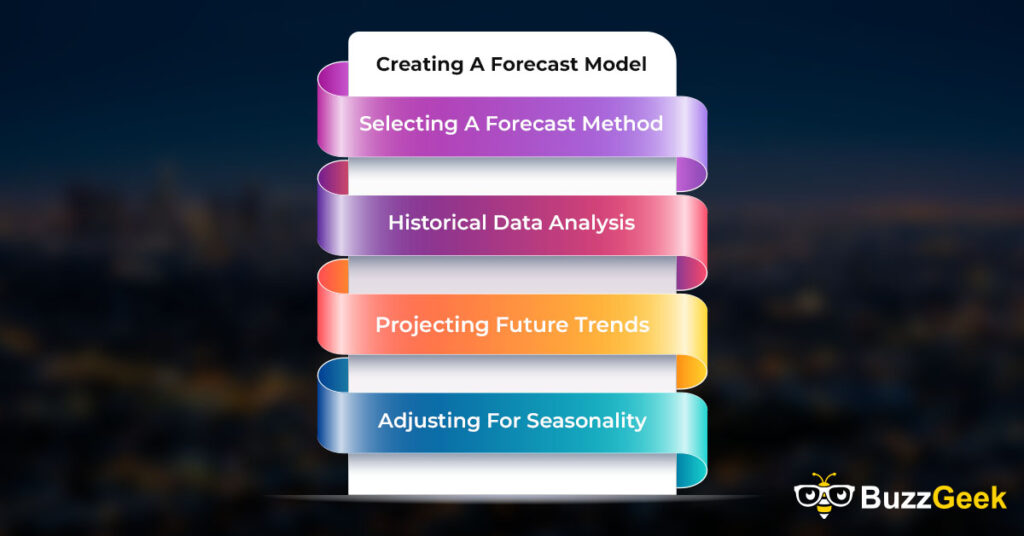
Creating a forecast model is a key step in SEO planning. It helps you predict future performance based on current data. This process involves selecting a forecast method, analyzing historical data, projecting future trends, and adjusting for seasonality. Each step is important for making accurate predictions.
Selecting A Forecast Method
Select a forecast method that fits your needs. Common methods include trend analysis and regression analysis. Trend analysis looks at past data to identify patterns.
Regression analysis uses statistical techniques to predict future outcomes. Choose a method that works best for your data. Using the right method helps you make accurate predictions.
Historical Data Analysis
Analyze historical data to understand past performance. Look at data from the past year or more. Check trends in traffic, keyword rankings, and conversions. This data helps you see what has worked well. It also shows areas that need improvement. Historical data analysis is the foundation for making accurate forecasts.
Projecting Future Trends
Project future trends based on historical data. Use your selected forecast method to make predictions. Look at how current trends might continue or change. For example, if traffic has been increasing steadily, you might expect this trend to continue. Projecting future trends helps you set realistic goals and plan your strategy.
Adjusting For Seasonality
Adjust your forecast for seasonality. Many websites experience seasonal changes in traffic. For example, e-commerce sites often see more traffic during holidays. Look at past data to identify these patterns. Adjust your projections to account for these seasonal changes. This makes your forecast more accurate and reliable.
Monitoring And Adjusting
Monitoring and adjusting your SEO strategy is very important. It helps you stay on track and improve your results. This process includes regular performance reviews, adapting to algorithm changes, and refining strategies as needed. Consistent monitoring ensures your SEO efforts are effective and up-to-date.
Regular Performance Reviews
Conduct regular performance reviews to check your SEO progress. Look at key metrics like traffic, bounce rates, and conversions. Compare these metrics to your goals. Use tools like Google Analytics to gather data.
Regular reviews help you see what is working and what needs improvement. They keep your SEO strategy focused and effective.
Adapting To Algorithm Changes
Search engines change their algorithms often. These changes can affect your website’s ranking. Stay updated on algorithm changes from search engines like Google.
Adapt your SEO strategy to align with these changes. For example, if Google updates its algorithm to favor mobile-friendly sites, ensure your site is mobile-friendly. Adapting quickly helps maintain your site’s ranking.
Refining Strategies As Needed
Refine your SEO strategies based on performance reviews and algorithm changes. When a strategy is not working, change it. Try new keywords or different types of content.
Use data from your performance reviews to guide these changes. Refining your strategies helps improve your SEO results over time. It ensures you are always working towards better performance and higher rankings.
FAQs
How Does Current SEO Performance Affect Growth?
Current SEO performance affects growth by showing how well your site ranks and attracts traffic. High performance means your strategies are working, leading to growth. Low performance highlights areas that need improvement. Better current SEO performance usually leads to better future growth.
What Goals Should SEO Objectives Meet?
SEO objectives should be specific, measurable, achievable, relevant, and time-bound. Clear goals guide your SEO efforts and help track progress. They should also align with your business needs, such as increasing traffic or boosting sales. Well-defined SEO goals lead to better results.
Which Tools Are Best For SEO Forecasting?
The best tools for SEO forecasting include Google Analytics, Google Search Console, Moz, Ahrefs, and SEMrush. These tools help track performance, predict traffic trends, and analyze keywords. Using these tools improves your ability to make accurate SEO forecasts and enhance your strategy.
How Do Competitors Influence SEO Strategy?
Competitors influence SEO strategy by showing effective tactics in your industry. Analyzing their keywords, content, and backlinks helps identify gaps in your strategy. Learning from competitors’ successes and mistakes helps improve your SEO efforts, keeping you competitive and effective.
What Content Strategies Drive SEO Growth?
Content strategies that drive SEO growth include creating high-quality, relevant content. Use keyword research to address audience needs. Produce informative articles, blog posts, and videos. Regularly update content and include internal and external links. Good content helps drive SEO growth.
Conclusion: Forecast SEO Growth Effectively In 2024
Forecasting SEO growth is essential for planning and improving your website’s performance. By using current and historical data, analyzing key metrics, and adjusting your strategy, you can set clear goals and track progress. Regular monitoring and adaptation will help you stay ahead in the competitive world of SEO.