“How many keywords should I use for SEO?” This question is at the heart of every digital marketer’s strategy. Keywords are the backbone of SEO, guiding search engines to your content and driving organic traffic. But how many is too many, and how few is too few?
Use one primary keyword and 2-3 related secondary keywords per page for optimal SEO. Distribute them naturally in titles, headers, and throughout the content. Prioritize relevance and avoid keyword stuffing to maintain readability and user engagement, which boosts search engine rankings.
Finding this balance takes skill and strategy. Ready to learn how to use keywords effectively to boost your SEO? Read on to discover simple ways to improve your site’s ranking.
Key Takeaways
- Optimal Keyword Use: Focus on one primary keyword and 2-3 secondary keywords for relevance and improved search visibility.
- Natural Placement: Seamlessly incorporate keywords into titles, headers, and content to enhance user experience and readability.
- Quality Over Quantity: Avoid keyword stuffing; prioritize creating high-value, engaging content for better SEO results.
What Are Keywords In SEO?
Keywords are words or phrases people type into search engines to find information. Think of them as the main topics or ideas of your content. Search engines like Google use these keywords to match your content to what users are searching for. When you use the right keywords, your website can appear in search results, making it easier for people to find your site.
Why Are Keywords Important To SEO?
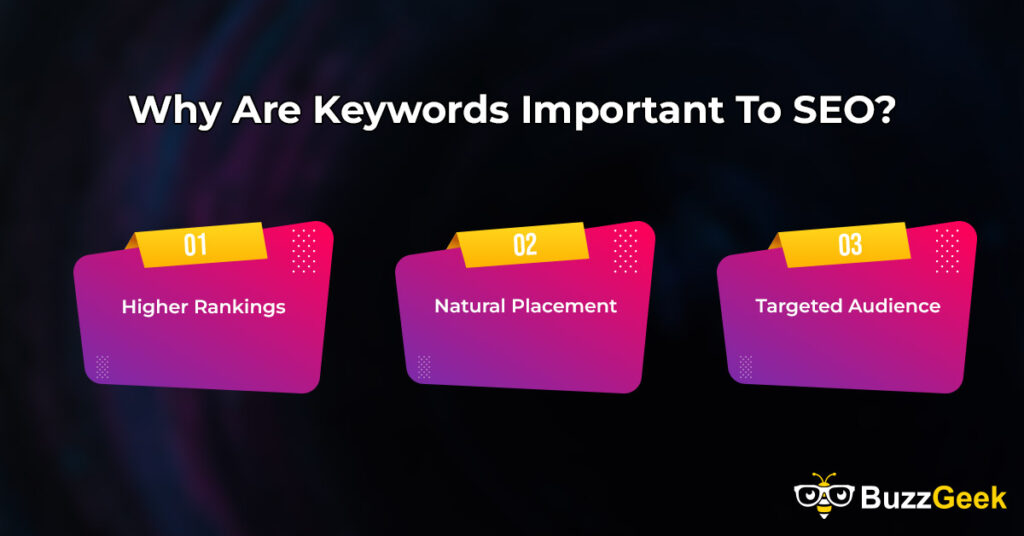
Keywords are crucial. They link your content to searchers’ queries, boosting your site’s visibility in search results.
- Higher Rankings: Using the right keywords increases the chances of ranking higher in search engine results.
- Natural Placement: Keywords should fit naturally into your titles and content. This will keep readers engaged.
- Targeted Audience: Using keywords well attracts the right people. This leads to better interactions and more conversions.
Use relevant keywords placed strategically. It will boost visibility, improve user experience, and drive traffic to your site.
Determining The Right Number Of Keywords
Choosing the right number of keywords is important for SEO. You want keywords that help search engines understand your content without overloading it. Balancing keywords keeps your content focused and user-friendly.
Focus On Primary Keywords
Start by picking one main keyword. This keyword tells search engines the main topic of your page. It helps guide the content and keeps it targeted. Place this keyword naturally in your title, first paragraph, headers, and a few times in the body text. But don’t force it in too much. Readers who see a natural flow stay engaged, which helps SEO.
Include Secondary Keywords
After you’ve chosen your primary keyword, add 2-3 related secondary keywords. These keywords are similar to the main topic but offer slight variations. For example, if your primary keyword is “SEO tips,” secondary keywords could be “SEO strategies” or “improve SEO.” Use these keywords to deepen your content without repeating the same phrases too often. This helps cover a broader range of searches while keeping the text natural and readable.
Use Long-Tail Keywords Strategically
Long-tail keywords are longer, more specific phrases, like “SEO tips for small business websites.” These keywords capture searches from users who know what they want. Including long-tail keywords helps your content reach a more targeted audience. Add these phrases in subheadings or naturally within the content. They can often bring in traffic with less competition than shorter keywords.
Avoid Keyword Stuffing
Keyword stuffing is when you use the same keyword too many times. It can make your content look spammy and hard to read. Search engines may even rank your page lower if you stuff keywords. Focus on quality over quantity. Use keywords where they fit naturally, and prioritize clear, helpful content. Readers want information, not repeated words.
Ideal Keyword Density Range
Aim for a keyword density between 1-2%. For every 100 words, use your primary keyword once or twice. This range helps keep your content optimized without overdoing it. The goal is to make the content flow smoothly and provide value to the reader.
Test your content by reading it aloud—if it sounds natural, you’re on the right track. Too many keywords will stand out and disrupt readability, while the right amount will keep it engaging and effective.
Keyword Strategy For Different Content Types
Crafting an effective keyword strategy varies depending on your content type. Let’s examine how keyword use differs for blog posts, product pages, and landing pages.
Blog Posts And Articles
Blog posts need one primary keyword and a few related keywords. Use the primary keyword in the title, first paragraph, and headers. Spread related keywords naturally throughout the content. This approach keeps your content engaging while boosting search visibility. Focus on making your content valuable, answering questions, or solving problems for your readers.
Product Or Service Pages
For product or service pages, pick one target keyword that best describes the product or service. Include it in the page title, product description, and meta tags. Use related terms to explain the product’s benefits and features. Be specific. Make it easy for search engines to understand what you offer, helping users find exactly what they need.
Landing Pages And Sales Funnels
Landing pages need a single focus, so choose one main keyword and place it in the headline, subheadings, and call-to-action text. Avoid keyword overuse and keep the page clean and direct. The main goal is to convert visitors. Use clear, concise language that encourages action. Also, make the page easy to find via search engines.
Tools To Help Choose Keywords

Finding the right keywords is crucial for your SEO success. The right tools make the job easier. They help you find keywords that drive traffic, have low competition, and fit your content. Here are some powerful tools you can use:
SEMrush
SEMrush is a powerful tool for keyword research. It shows your keywords’ monthly search volume, keyword difficulty, and top pages. You can also view related keywords and questions that users are searching for.
SEMrush provides insights into competitors’ strategies. It shows which keywords drive traffic to their sites. This tool also has a keyword magic feature. It groups keywords into easy-to-navigate lists. This helps you find topics and variations to enhance your content.
Ahrefs
Ahrefs is another top choice for finding keywords. It shows keyword difficulty scores, search volume, and click rates. This helps you find the best keywords for your site. Ahrefs shows keyword trends over time and suggests related keywords, which you can use to broaden your content’s reach.
Ahrefs also offers data on competing sites, showing which keywords work well for them. It helps you adjust your strategy. You can find chances to target better keywords.
Moz Keyword Explorer
Moz Keyword Explorer is a user-friendly tool that provides keyword suggestions, search volumes, and a potential score for each keyword. The tool has a “Priority” score and uses various metrics to show the best keywords to target.
Moz focuses on delivering keyword insights that can guide long-term SEO efforts. The “SERP Analysis” feature lets you view the search results for a keyword. It helps you see your competitors and where your content can stand out.
Google Keyword Planner
Google Keyword Planner is a free tool that gives keyword ideas, shows search volume, competition, and average cost per click, and is perfect for finding keywords using Google’s data. It also shows the most searched terms.
This tool is for advertisers but works for organic keyword research. Google Keyword Planner lets you filter keywords by location, language, and other settings, helping you find relevant keywords for your target audience.
Balancing Keyword Usage For SEO Success
Using keywords effectively is key to SEO success, but balance is essential. Too many keywords make content awkward and harm your ranking. A balanced approach helps your content rank well without sacrificing readability.
Prioritize User Intent
Think about what users are looking for. What questions do they want answered? Choose keywords that directly address user needs. When you write with user intent in mind, your content feels relevant, useful, and engaging.
This approach helps attract the right audience and keeps them on your page longer, boosting SEO.
Focus On Readability
Readable content holds a user’s attention. Avoid complex words and long sentences. Make sure your message is clear. When content is easy to understand, people stay longer, which search engines see as a positive sign. Readability helps both users and search engines understand your content.
Optimize For Natural Flow
Let keywords fit naturally into your sentences. Don’t force them. Forced keywords make the content feel robotic, which can drive readers away. Instead, work keywords where they make sense. When keywords flow naturally, the content feels more genuine, helping build trust with readers and keeping them engaged.
Distribute Keywords Evenly
Place keywords like titles, headers, and body text in your content. Spread them out so they don’t feel crowded in one spot. Even distribution lets search engines recognize the topic without overwhelming readers. This keeps the content balanced and more enjoyable to read.
Measuring SEO Performance
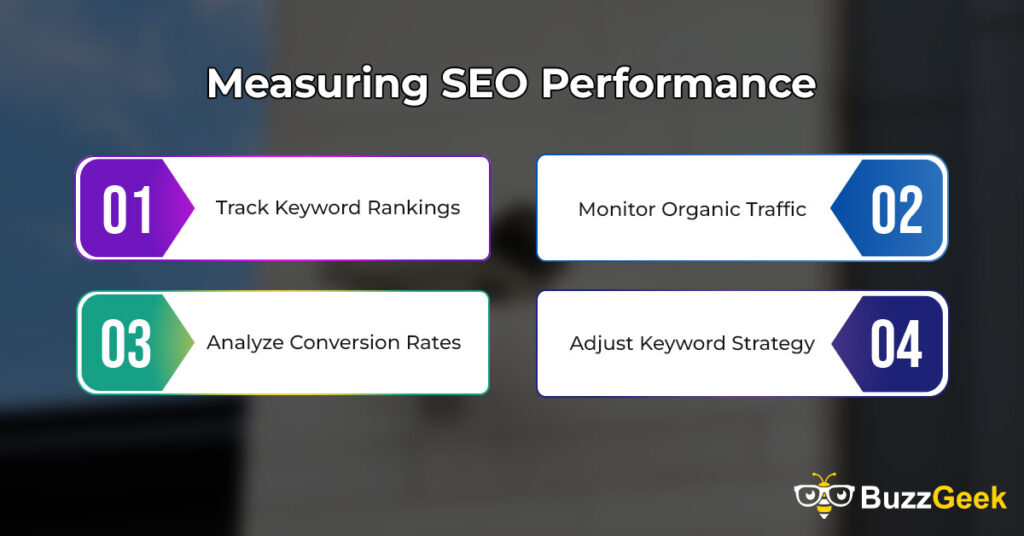
To know if your SEO efforts work, you need to measure them. This helps you see what works and what doesn’t. Here are some ways to do that:
Track Keyword Rankings
Check where your site ranks for each target keyword. This will tell you if your SEO efforts improve visibility. Higher rankings mean more chances for users to click on your site. Track rankings weekly or monthly to see growth or drop-offs and make quick adjustments as needed.
Monitor Organic Traffic
Organic traffic shows how many visitors find your site through search engines without paid ads. Look at the total number and which pages bring in the most visitors. Increasing organic traffic often means better SEO performance, but steady traffic also helps. Monitor this regularly to understand user interest and behavior.
Analyze Conversion Rates
Conversion rates reveal how many visitors complete an action, like signing up or purchasing. High conversions mean your content meets user needs.
Low conversions can signal issues with content, user experience, or even your keyword choice. This data helps you see if your SEO attracts visitors and turns them into customers or leads.
Adjust Keyword Strategy
SEO is not a one-time effort. As you measure performance, you may need to adjust your keyword strategy. Replace underperforming keywords, try new ones, or refine your content to match user needs better. By updating your keyword focus, you stay competitive and improve your SEO results over time.
FAQs
Can I Use Multiple Long-Tail Keywords For SEO?
Yes, using multiple long-tail keywords for SEO is effective. They capture specific search queries, boost relevance, and attract targeted traffic. Strategically integrate them throughout your content, maintaining readability and a natural flow, to increase your chances of ranking for niche searches.
Can I Rank For Multiple Keywords On A Single Page?
Yes, you can rank for multiple keywords on a single page using one primary and several related secondary keywords. Ensure the content addresses user intent for each keyword naturally and strategically, optimizing titles, headers, and meta descriptions while maintaining high content quality.
How Do I Balance Keyword Quantity With Content Quality For SEO?
Balance keyword quantity with content quality by using keywords naturally within engaging, valuable content. Write for users. Make it easy to read. Use keywords in titles and headers, but don’t overdo it. Prioritize providing useful information to enhance both SEO performance and user experience.
Can I Use Synonyms Of My Target Keyword For Better SEO?
Yes, using synonyms of your target keyword can enhance SEO. They improve content relevance and help search engines understand the topic better, increasing chances to rank for related searches. However, ensure synonyms fit naturally into the content to maintain readability and user engagement.
Can Using Too Many Keywords Hurt SEO?
Yes, using too many keywords can hurt SEO. Keyword stuffing hurts readability. It harms user experience and may lead to search engine penalties. Use strategic, natural placement of keywords. This will keep the content high-quality and relevant, boosting search rankings and user engagement.
Conclusion
In SEO, focus on quality over quantity for keywords. Use one main keyword that captures your topic and add 2-3 related keywords to support it. This keeps content relevant without overloading it. Don’t cram in too many keywords.
It lowers readability and bores users. Instead, write naturally, placing keywords in titles and headers a few times in the text. A clear, easy-to-read style helps your audience and boosts your search ranking. This balance helps search engines understand your content. It also keeps users engaged, which is the goal.