Search engine optimization (SEO) is important for websites to rank higher and get more traffic. Over time, SEO strategies have changed, and businesses now look for ways to improve their rankings faster. One of these methods is called Programmatic SEO. So, what is Programmatic SEO, ?
Programmatic SEO uses automation to create many web pages quickly. It helps websites target multiple keywords and improve search engine rankings. Using data and scripts, businesses can produce optimized content faster. It is ideal for sites with large amounts of content, like e-commerce or travel sites.
In this guide, we’ll explore how programmatic SEO works. We’ll also discuss its benefits, key components, and the challenges it brings.
Key Takeaways
- Automation in SEO: Programmatic SEO automates content creation, producing many web pages quickly and efficiently.
- Keyword Targeting: It targets multiple keywords, improving website rankings across various search engine results.
- Ideal for Large Sites: Ideal for large websites, it saves time by using data and scripts to optimize content at scale.
What Is Programmatic SEO?
Programmatic SEO is a process that uses automation to create many web pages quickly. It helps websites target specific keywords across thousands of pages. For example, an online store might have 4,000 products. With programmatic SEO, the store can generate 4,000 product pages automatically.
These pages are designed to rank high in search engine results. Programmatic SEO uses data and scripts to produce content faster than manual methods. This approach saves time and helps websites grow faster by reaching more people online.
How Programmatic SEO Works?
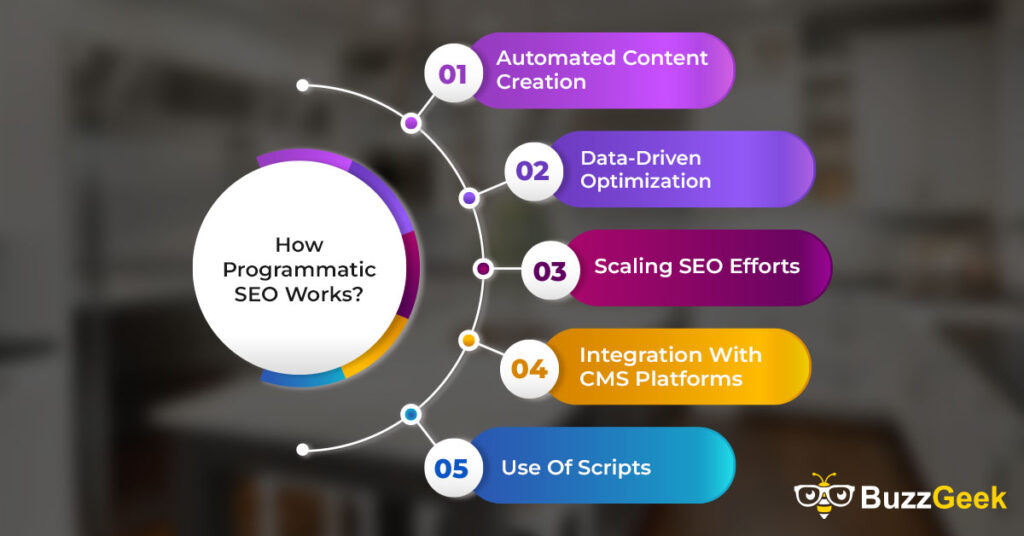
Programmatic SEO works by using automation and data to create content that ranks well in search engines. It involves gathering data on keywords, user intent, and competitors. Automated systems handle tasks like keyword insertion, meta tag creation, and page structure. Programmatic SEO can produce thousands of pages in a short time, increasing a site’s visibility.
Automated Content Creation
Automated content creation is key in programmatic SEO. This process uses software to generate content for many web pages at once. It can pull data from a database and create pages that fit SEO guidelines. For instance, an online store can create product descriptions for thousands of items using automated tools.
The content is optimized with keywords, meta descriptions, and headings. Automated content helps in scaling SEO efforts by producing more content in less time, making it an essential part of programmatic SEO.
Data-Driven Optimization
Programmatic SEO relies heavily on data. It uses data to optimize content for better search engine rankings. By analyzing data, the system finds the best keywords, understands user intent, and tracks competitor performance.
This data helps create pages that are designed to rank well for specific keywords. For example, if data shows that “blue shoes size 10” is a popular search term, the system will optimize pages for that keyword. This leads to better rankings and more traffic.
Scaling SEO Efforts
One of the biggest advantages of programmatic SEO is the ability to scale SEO efforts. Instead of manually creating and optimizing each page, automation allows for the creation of thousands of pages in a short time.
This helps websites grow their presence in search engines quickly. For example, a travel website can create landing pages for every city, region, or attraction using automated tools. This increases the chances of ranking for a wide range of keywords, driving more traffic to the site.
Integration With CMS Platforms
Programmatic SEO works well with many CMS platforms like WordPress or Shopify. These platforms allow for easy integration of SEO automation tools. The CMS can manage content creation, page optimization, and updates, all in one place.
For example, a business using Shopify can automatically generate SEO-friendly product pages. Integration with CMS platforms ensures that changes are implemented smoothly across all web pages, making the process efficient and scalable.
Use Of Scripts
Scripts play a vital role in programmatic SEO. They automate tasks like inserting keywords, optimizing meta descriptions, and generating internal links. These scripts can be customized based on the needs of the website.
For example, a script can automatically add the phrase “buy blue shoes” to relevant product pages. By using scripts, businesses can ensure that SEO tasks are performed consistently across thousands of pages, which improves the overall performance of the website in search engines.
Benefits Of Programmatic SEO
Programmatic SEO has many benefits. It helps websites grow fast by using automation. Businesses can create thousands of web pages quickly. This saves time and effort. Programmatic SEO also uses data to make better decisions. It ensures that each page is optimized for search engines.
Improved Efficiency And Scalability
Programmatic SEO improves efficiency by automating tasks that would take a lot of time manually. For example, instead of creating each webpage one by one, a program can create hundreds of pages at once.
This allows businesses to scale up their SEO efforts without needing more staff. With automation, a company can cover more keywords and reach more users faster. This helps in growing the website’s online presence and getting more traffic.
Enhanced Data Accuracy
Programmatic SEO relies on data, and this data is accurate. It uses tools to find the best keywords, user preferences, and search trends. These tools pull data from reliable sources. As a result, websites can create content that matches what people are searching for.
For example, if data shows “red sneakers size 9” is a popular search, programmatic SEO will create a page focused on that. This accurate data helps the website rank better in search results.
Faster Content Creation
One major benefit of programmatic SEO is faster content creation. Automated tools can generate thousands of web pages in a short time. This is much quicker than creating each page by hand.
For example, a real estate website can create pages for every city and neighborhood using data, rather than manually writing each one. This speed helps websites grow quickly and stay updated with the latest search trends. Fast content creation also leads to faster rankings.
Consistent SEO Performance
Programmatic SEO ensures that every web page follows the same SEO guidelines. This creates consistency across all pages. For example, each page will have the correct keywords, meta descriptions, and headings. This is important because search engines look for consistent quality.
When every page is optimized in the same way, it improves the overall performance of the website. Consistency also helps in maintaining good rankings over time, making programmatic SEO a strong strategy.
Better Targeting And Personalization
Programmatic SEO allows for better targeting of keywords and audiences. It uses data to understand what people are searching for and creates content that meets their needs. This helps in reaching the right audience with the right content.
For example, a travel site can create pages that target different cities, types of travelers, or travel seasons. Personalization based on data improves user experience and increases the chances of users finding what they are looking for.
Key Components Of Programmatic SEO
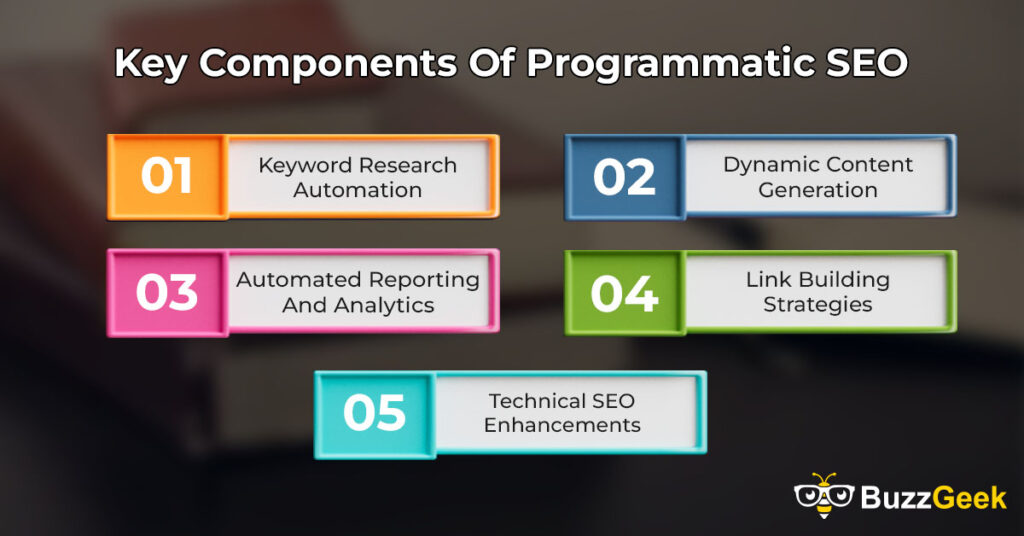
Programmatic SEO has several key components that work together to boost website performance. These components automate tasks and make SEO more efficient. They help businesses create content, optimize pages, and track performance without manual effort. Each part of programmatic SEO plays a specific role.
Keyword Research Automation
Keyword research automation is a key part of programmatic SEO. It helps find the best keywords to target without manual work. Instead of searching for keywords one by one, automated tools can quickly analyze data and suggest hundreds or even thousands of relevant keywords.
For example, a tool can find 500 keywords for a website in less than 10 minutes. These keywords help create content that ranks better in search engines. Automated keyword research saves time and increases accuracy, ensuring you target the right terms for your audience.
Dynamic Content Generation
Dynamic content generation allows websites to create many pages using templates and data. This helps businesses produce unique, SEO-optimized content quickly. For example, an online store can use dynamic content tools to create product descriptions for 1,000 items in a few hours.
The content is generated based on the product data, like price, size, and color. This saves time and ensures that each page is optimized for search engines. Dynamic content generation is important for scaling content efforts and increasing a site’s reach.
Automated Reporting And Analytics
Automated reporting and analytics are essential for tracking the performance of your SEO efforts. These tools automatically gather data like traffic numbers, keyword rankings, and user engagement. For example, a tool can generate a report showing that 5,000 people visited the website last week, and 600 of them came from a specific keyword.
Automated reports provide insights without the need for manual tracking. This helps businesses make informed decisions and adjust their SEO strategies based on real-time data.
Link Building Strategies
Link building is a critical part of SEO, and automation helps make it more efficient. Automated tools can find relevant websites for backlinks and even reach out to them for linking opportunities.
For example, a tool can find 100 blogs or websites that might link to your content, boosting your site’s authority. The more quality backlinks a site has, the higher it ranks on search engines.
Technical SEO Enhancements
Technical SEO focuses on improving the structure and performance of a website. Programmatic SEO tools help by automating many technical tasks. These include optimizing page speed, fixing broken links, and ensuring mobile compatibility. For example, a tool can automatically compress images on 1,000 pages to improve loading times.
Faster-loading pages improve user experience and are favored by search engines. Technical SEO enhancements are important for ensuring that search engines can easily crawl and index your website, leading to better rankings and more traffic.
Challenges In Programmatic SEO
Programmatic SEO can bring many benefits, but it also has challenges. These challenges can affect the success of an SEO campaign. Businesses need to be aware of these issues to avoid problems. While automation saves time, it also brings risks like low-quality content or search engine penalties.
Careful planning and monitoring are required to ensure programmatic SEO works well. Let’s look at the main challenges that come with programmatic SEO.
Quality Control Issues
One big challenge in programmatic SEO is maintaining quality control. When creating thousands of pages automatically, there is a risk that the content may not be high-quality. For example, automated tools might produce content that is too similar across many pages. This could lead to low engagement from users because the content feels repetitive or generic.
Quality control must be monitored closely to ensure the content remains useful and valuable. Without good content, a website may struggle to rank well in search results.
Algorithmic Penalties
Search engines like Google have strict rules about content. When a website uses too much low-quality or duplicated content, it can be penalized. This is a common risk in programmatic SEO, where large amounts of content are created quickly.
For example, if Google detects that a website has too many thin or duplicate pages, it may reduce the site’s rankings. Algorithmic penalties can cause traffic to drop significantly. It’s important to follow SEO best practices to avoid these penalties.
Maintaining Relevance
Maintaining relevance is another challenge in programmatic SEO. Automated systems may create content that doesn’t fully match the user’s needs or search intent. For example, a program might create pages based on outdated data or irrelevant keywords.
When the content doesn’t provide useful information, users may leave the site quickly, leading to higher bounce rates. Businesses need to ensure that the content stays relevant by updating it regularly and checking for accuracy.
Balancing Automation With Strategy
Automation can save time, but it’s important to balance it with a clear SEO strategy. Programmatic SEO requires careful planning to make sure that automation aligns with the overall goals of the website.
For example, a business might automate content creation, but without a strategy, the content might not fit the brand’s voice or message. Balancing automation with human oversight ensures that the content is both efficient and strategic. This helps in creating a long-term SEO plan that works effectively.
Popular Programmatic SEO Examples
Many well-known websites use programmatic SEO to grow quickly and attract more visitors. These websites rely on automation to create thousands of pages that target specific keywords. By using programmatic SEO, they are able to rank higher in search engines and get more traffic. Let’s look at some popular websites that successfully use programmatic SEO.
Semrush
Semrush is a popular tool used for SEO research and digital marketing. It also uses programmatic SEO to create content on various topics related to SEO, PPC, and online marketing. For example, Semrush has thousands of pages dedicated to keyword data, search trends, and competitor analysis.
By using programmatic SEO, Semrush can produce detailed reports for different keywords and topics quickly. This helps the website rank for many search terms and attract a large number of visitors.
Canva
Canva is a graphic design tool that uses programmatic SEO to target various design-related keywords. It has thousands of pages for templates, design tips, and tutorials. For example, if you search for “free business card templates,”
Canva will show up with a dedicated page for that keyword. These pages are created using programmatic SEO to target specific user queries. This helps Canva attract users looking for specific design tools and templates, driving more traffic to the site.
TripAdvisor
TripAdvisor is a travel website that heavily relies on programmatic SEO. It has millions of pages dedicated to hotels, restaurants, and attractions in cities all over the world. For example, TripAdvisor automatically creates pages for every hotel in a city, including reviews, ratings, and travel tips.
These pages are optimized for specific travel-related keywords like “best hotels in Paris” or “top restaurants in New York.” By using programmatic SEO, TripAdvisor can cover a wide range of travel searches and rank higher in search results.
Yelp
Yelp is another popular website that uses programmatic SEO to target local businesses. Yelp has thousands of pages for restaurants, shops, and service providers in different cities. For example, if you search for “best pizza in Chicago,” Yelp will have a page dedicated to that search.
These pages are created using automation to ensure that local businesses are listed and ranked. Programmatic SEO helps Yelp cover many local search terms and brings in traffic from users looking for specific services or businesses nearby.
Future Of Programmatic SEO
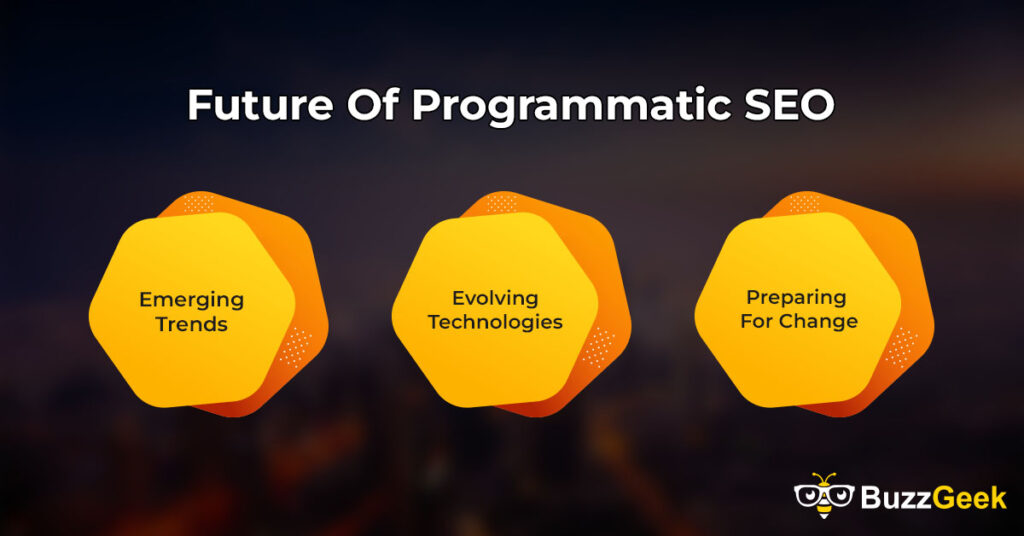
The future of programmatic SEO is exciting and will continue to grow. New trends and technologies will change how businesses use SEO. Companies will need to stay updated to remain competitive. Let’s look at some of the trends and technologies that will shape the future of programmatic SEO.
Emerging Trends
In the future, more businesses will use artificial intelligence (AI) in programmatic SEO. AI can make content smarter and more personalized. For example, AI tools can help websites create content based on a user’s search history or location.
This trend is already starting, but it will become more popular in the next few years. Voice search is another emerging trend. As more people use voice assistants like Alexa or Siri, websites will need to optimize for voice search to stay competitive.
Evolving Technologies
Technology will continue to change how programmatic SEO works. Machine learning and AI will play a bigger role in SEO strategies. These technologies can analyze large amounts of data faster and make better decisions.
For example, machine learning tools can help websites find the best keywords or optimize content for user intent. These tools can also predict trends and suggest changes to improve rankings. As technology evolves, businesses will need to adopt these tools to keep up with the competition.
Preparing For Change
To prepare for the future, businesses need to stay flexible. SEO is always changing, and new tools and strategies will continue to emerge. Companies should invest in learning and using new technologies.
For example, businesses can start using AI tools now to test how they can improve SEO performance. Staying updated on SEO trends will help companies adapt to changes more quickly. Preparing for the future will help businesses stay competitive and continue to grow their online presence.
FAQs
Is Programmatic SEO Suitable For Small Businesses?
Yes, programmatic SEO can be suitable for small businesses, but it depends on their needs. When a small business has many products or services to showcase, programmatic SEO can help create many optimized pages quickly. It can help save time and effort by automating tasks that would take longer manually.
Can Programmatic SEO Lead To Duplicate Content Issues?
Yes, programmatic SEO can sometimes lead to duplicate content if not managed carefully. As automation creates many pages quickly, there is a risk of generating content that looks similar. To avoid this, the businesses should ensure proper content management, and that each page is valuable and unique.
What Industries Benefit Most From Programmatic SEO?
Industries with large amounts of content benefit the most from programmatic SEO. For example, e-commerce, travel, and real estate industries often use programmatic SEO. These industries need to create many pages for products, locations, or listings. By automating this, they can target more keywords.
How Do You Measure The Success Of Programmatic SEO?
You can measure the success of programmatic SEO by tracking several key metrics. These include website traffic, keyword rankings, and conversion rates. Other metrics to measure success include the number of pages indexed by search engines and how well those pages rank for specific keywords.
Can Programmatic SEO Be Integrated With AI?
Yes, programmatic SEO can be integrated with AI. AI tools can help improve content creation, keyword optimization, and user experience. AI can also help predict trends and adjust the SEO strategies based on real-time data. Combining AI with programmatic SEO makes the process more efficient and accurate.
Conclusion
Programmatic SEO is a powerful tool that helps websites grow quickly by automating content creation and targeting multiple keywords. It saves time and effort, making it ideal for large websites with a lot of content. By using data and automation, businesses can improve their search engine rankings and attract more visitors efficiently.